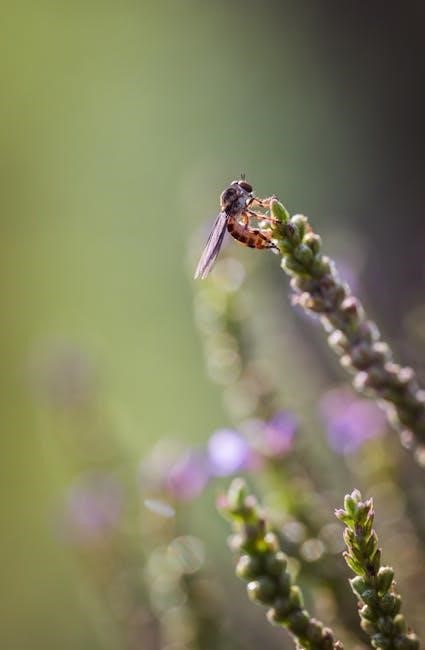
Buzzy Seeds: A Comprehensive Growing Guide
Buzzy seeds offer a delightful mix for gardens, attracting pollinators with vibrant blooms․ These easy-to-grow varieties thrive in full sun and well-drained soil, providing continuous color․
What are Buzzy Seeds?
Buzzy Seeds are expertly curated wildflower seed mixes designed to create a haven for pollinators, particularly bees, hence the name! These aren’t just single flower types; they’re a carefully balanced blend of annual and perennial wildflowers chosen for their attractiveness to bees, butterflies, and other beneficial insects․
The mixes typically include a variety of colors and bloom times, ensuring a continuous display of flowers throughout the growing season․ They are incredibly easy to grow, making them perfect for gardeners of all experience levels – even beginners! Buzzy Seeds are often marketed as a low-maintenance way to support local pollinator populations and add beauty to your garden or landscape․
Unlike some wildflower mixes, Buzzy Seeds are formulated to minimize invasive species and maximize the benefit to pollinators․ They represent a simple, effective, and beautiful way to contribute to a healthier ecosystem․
Understanding the Buzzy Seed Mix
Buzzy Seed Mixes aren’t one-size-fits-all; they come in various formulations tailored to different needs and preferences․ Some mixes focus on attracting specific pollinators, like bees or butterflies, while others prioritize certain color palettes or bloom durations․ Understanding the specific composition of your mix is key to successful growing․
Typically, a Buzzy Seed Mix will contain a blend of annuals, perennials, and sometimes even self-seeding annuals․ Annuals provide a burst of color in the first year, while perennials return year after year․ Self-seeders naturally propagate, ensuring continued blooms without extra effort․ Common flower types include cosmos, zinnias, poppies, cornflowers, and various clover species․
The seed packet will detail the specific flowers included, their expected height, bloom time, and sun/soil requirements․ Paying attention to this information will help you choose the right location and provide optimal growing conditions for your Buzzy Seed mix․
Benefits of Growing Buzzy Seeds
Growing Buzzy Seeds offers a multitude of advantages for both your garden and the environment․ Primarily, these mixes are designed to attract a wide array of pollinators – bees, butterflies, hoverflies, and more – crucial for healthy ecosystems and fruit/vegetable production․ By providing a consistent food source, you’re actively supporting these vital insects․
Beyond ecological benefits, Buzzy Seeds are incredibly easy to grow, making them perfect for beginner gardeners․ The mixes are formulated to thrive with minimal intervention, requiring little maintenance once established․ They also offer a long-lasting display of vibrant color, adding beauty and charm to any outdoor space․
Furthermore, many Buzzy Seed mixes include wildflowers that are drought-tolerant and adaptable to various soil types․ This reduces the need for frequent watering and fertilization, making them a sustainable and cost-effective gardening choice․ Enjoy a flourishing garden while contributing to a healthier planet!
Preparing to Sow Buzzy Seeds
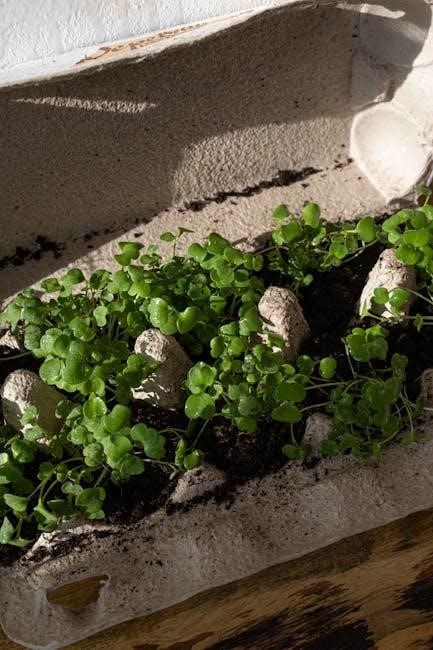
Successful sowing requires careful preparation! Choose a sunny spot with well-draining soil; Remove weeds and loosen the earth before planting for optimal growth․
Choosing the Right Location
Buzzy seeds flourish when provided with the ideal location, significantly impacting their vibrant bloom and overall health․ These plants are sun-worshippers, demanding at least six to eight hours of direct sunlight daily․ Insufficient sunlight results in leggy growth and fewer flowers, diminishing the intended pollinator attraction․
Beyond sunlight, consider the soil drainage․ Buzzy seeds are susceptible to root rot in consistently soggy conditions․ Select a spot where water doesn’t pool after rainfall, or amend heavy clay soil with compost or other organic matter to improve drainage․ A slightly acidic to neutral soil pH (around 6․0 to 7․0) is preferred․
Protection from strong winds is also beneficial, especially for taller varieties․ A sheltered location prevents stems from breaking and ensures the blooms remain intact․ Finally, observe the area for potential obstructions like trees or buildings that might cast shadows throughout the day․
Soil Preparation for Optimal Growth
Buzzy seeds require well-prepared soil to unlock their full potential, ensuring robust growth and abundant blooms․ Begin by clearing the chosen planting area of any existing weeds, rocks, and debris․ Thoroughly loosen the soil to a depth of at least 12 inches, breaking up any compacted areas․
Amend the soil generously with organic matter, such as compost, well-rotted manure, or peat moss․ This improves drainage, aeration, and nutrient content․ Buzzy seeds benefit from a slightly fertile soil, but avoid excessive nitrogen, which can promote leafy growth at the expense of flowers․
A soil test can reveal any nutrient deficiencies and guide fertilizer application․ Incorporate a balanced, slow-release fertilizer according to package instructions․ Ensure the soil is finely textured and free of large clumps for optimal seed-to-soil contact․ Finally, gently rake the surface to create a smooth, level seedbed․
Timing Your Sowing: Best Seasons
Buzzy seeds are remarkably versatile regarding sowing times, adapting well to both spring and summer plantings․ For a vibrant spring display, start seeds indoors 6-8 weeks before the last expected frost․ This allows for established seedlings to be transplanted outdoors once the weather warms․
Direct sowing is also effective, but requires warmer soil temperatures․ Wait until after the last frost and the soil has reached a consistent temperature of 60°F (15°C)․ Summer sowing, in late spring or early summer, provides a continuous bloom throughout the warmer months․
Successive sowings, spaced 2-3 weeks apart, extend the flowering period․ Consider your local climate and growing conditions when determining the optimal timing․ Buzzy seeds generally germinate best with consistent moisture and moderate temperatures․

Sowing Buzzy Seeds: A Step-by-Step Guide
Buzzy seeds are easily sown directly into prepared soil or started indoors․ Ensure consistent moisture for optimal germination, and thin seedlings for proper spacing․
Direct Sowing vs․ Starting Indoors
Direct sowing of buzzy seeds is remarkably straightforward, making it a popular choice for many gardeners․ This method involves scattering the seeds directly into the prepared garden bed, ensuring they are lightly covered with soil․ It’s best suited for regions with longer growing seasons and milder climates, allowing ample time for germination and growth before the first frost․ However, be mindful of potential predation by birds or pests – a protective netting can be beneficial․
Starting seeds indoors offers greater control over the growing environment, particularly advantageous in areas with shorter summers or unpredictable weather․ Sow seeds in seed trays or small pots filled with a quality seed-starting mix, maintaining consistent moisture and warmth․ Once seedlings develop a few sets of true leaves, they can be carefully transplanted outdoors after the risk of frost has passed․ This method provides a head start, resulting in earlier blooms and a more robust plant․
Ultimately, the best approach depends on your local climate and personal preference․ Both methods yield beautiful results with buzzy seeds!
Seed Depth and Spacing
Achieving optimal germination and healthy growth with buzzy seeds hinges on proper seed depth and spacing․ These seeds are relatively small, so they require only a light covering of soil – approximately ¼ inch (0․6 cm) is ideal․ Planting too deeply can hinder emergence, while insufficient coverage may lead to drying out․ Gently press the seeds into the soil and lightly firm it over them․
Regarding spacing, allow roughly 6-12 inches (15-30 cm) between plants․ This provides adequate room for air circulation, reducing the risk of fungal diseases, and allows each plant to develop to its full potential․ For denser displays, you can slightly reduce the spacing, but be prepared to thin out seedlings if necessary․ Consider the mature size of the specific buzzy seed mix you’re using, as some varieties may grow larger than others․
Proper spacing and depth are crucial for a vibrant and flourishing display of buzzy seed blooms throughout the growing season!
Watering After Sowing
Consistent moisture is paramount for successful buzzy seed germination․ Immediately after sowing, gently water the seedbed using a fine spray or mist setting on your watering can․ Avoid forceful streams of water, as these can displace the tiny seeds and disrupt their placement․ The goal is to thoroughly moisten the soil without creating puddles or washing the seeds away․
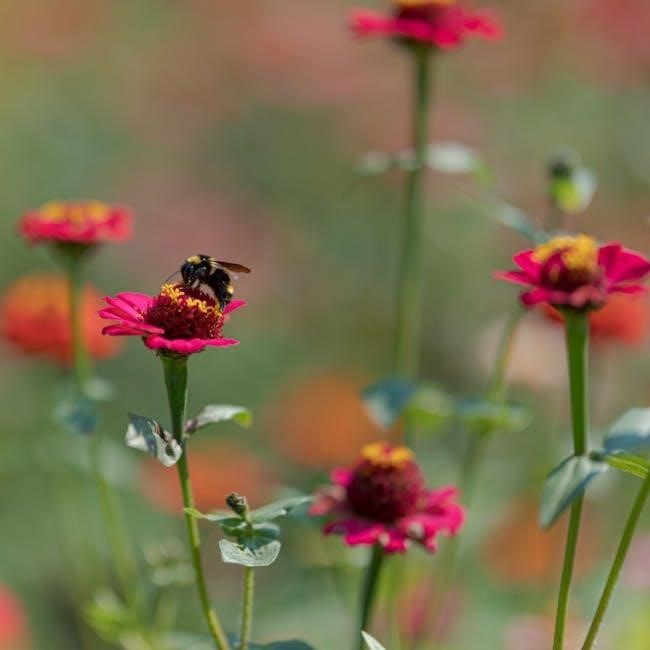
Maintain consistent soil moisture throughout the germination period, which typically lasts 7-14 days, depending on the variety and environmental conditions․ Check the soil daily and water whenever the top layer feels dry to the touch․ A light, frequent watering schedule is preferable to infrequent, heavy soakings․
Once seedlings emerge, continue to provide regular moisture, adjusting the frequency based on weather conditions and soil drainage․ Proper watering post-sowing is key to establishing a strong root system and ensuring a bountiful bloom display!
Caring for Your Buzzy Seed Plants
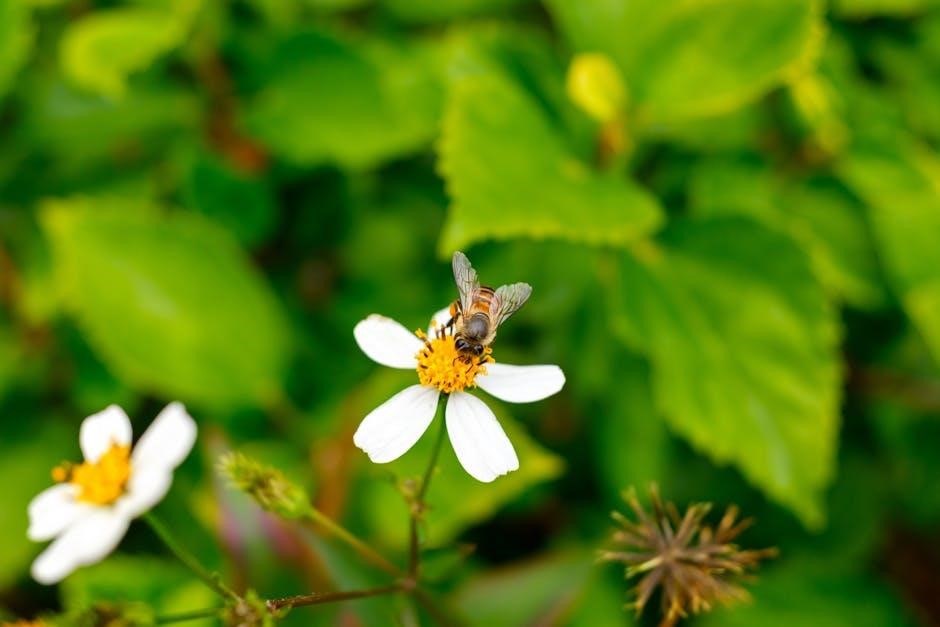
Regular care ensures vibrant blooms! Provide consistent watering, occasional fertilization, and diligent weed control for healthy growth and a spectacular, pollinator-friendly garden display․
Watering Requirements
Buzzy seeds, once germinated and established, generally prefer consistent moisture, but are surprisingly adaptable․ Newly sown seeds require gentle, frequent watering to keep the soil consistently damp – not soggy – to encourage root development․ A fine spray is ideal to avoid disturbing the delicate seeds․
As the plants mature, reduce the frequency slightly, allowing the top inch of soil to dry out between waterings․ During hot, dry spells, more frequent watering will be necessary, potentially daily, to prevent wilting and ensure continued blooming․ Conversely, avoid overwatering, as this can lead to root rot and fungal diseases․
Water deeply when you do water, encouraging deep root growth which makes the plants more resilient․ Morning watering is preferable, allowing foliage to dry throughout the day, minimizing the risk of disease․ Observe your plants; drooping leaves are a clear sign they need a drink!
Fertilizing for Vibrant Blooms
Buzzy seeds plants benefit from regular fertilization to promote abundant blooms and healthy growth․ While not strictly necessary, feeding them will significantly enhance their performance, especially in poorer soils․ A balanced, water-soluble fertilizer, diluted to half strength, can be applied every two to four weeks during the growing season․

Look for a fertilizer with a higher phosphorus content (the middle number in the N-P-K ratio) as this encourages flower development․ Avoid over-fertilizing, as this can lead to lush foliage at the expense of blooms․ Slow-release granular fertilizers can also be incorporated into the soil at planting time, providing a steady supply of nutrients․
Organic options, such as compost tea or fish emulsion, are excellent choices for a natural boost․ Monitor your plants for signs of nutrient deficiencies, such as yellowing leaves, and adjust your fertilizing schedule accordingly․ Consistent feeding will reward you with a spectacular display of color!
Weed Control and Maintenance
Buzzy seeds plants require minimal maintenance, but consistent weed control is crucial, especially during the early stages of growth․ Weeds compete for essential nutrients, water, and sunlight, hindering the development of your blooms․ Regularly hand-pull weeds or apply a layer of organic mulch, such as straw or wood chips, to suppress their growth․
Deadheading spent flowers encourages continued blooming and prevents the plants from putting energy into seed production․ Simply snip off the faded blooms just below the flower head․ This practice also keeps the plants looking tidy and promotes a bushier growth habit․
Monitor for any signs of pests or diseases and address them promptly․ Regular inspection allows for early detection and intervention․ A healthy plant is less susceptible to problems, so proper watering and fertilization are key preventative measures․ Enjoy the vibrant display!
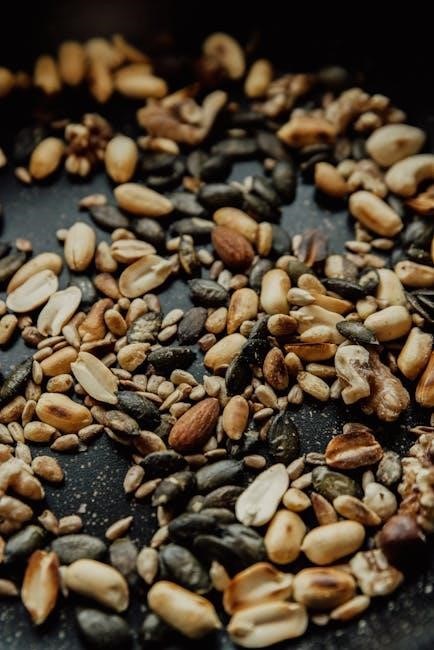
Troubleshooting Common Issues
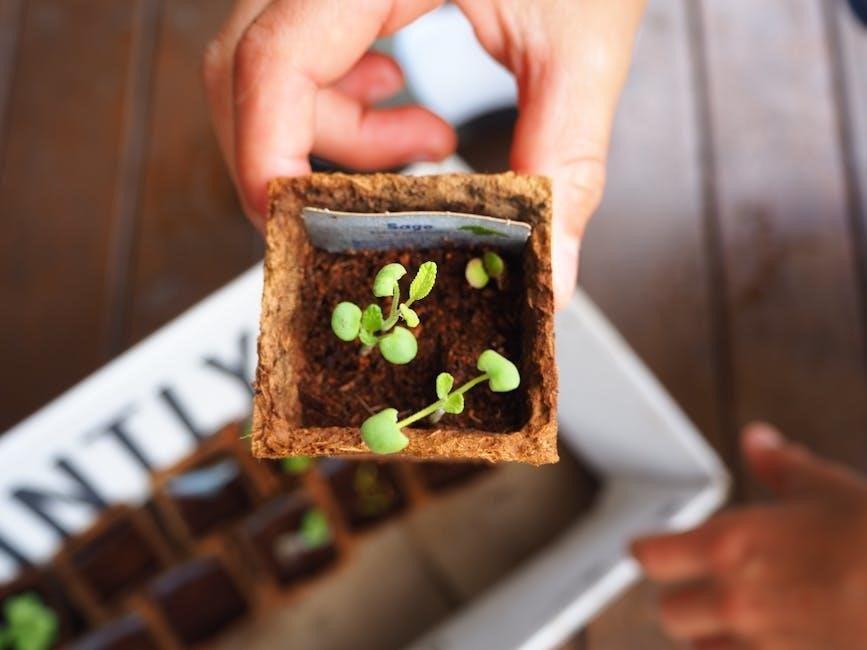
Buzzy seeds may face pests or diseases; poor germination can occur․ Ensure proper watering, sunlight, and soil conditions for healthy, thriving plants and abundant blooms․
Pest Control for Buzzy Seeds
Buzzy seeds, while generally resilient, can occasionally attract common garden pests․ Aphids are a frequent concern, clustering on new growth and sucking plant sap, leading to distorted leaves and stunted development․ Regularly inspect your plants, especially the undersides of leaves, for these small, pear-shaped insects․
A strong blast of water from a garden hose can often dislodge aphids․ For heavier infestations, insecticidal soap or neem oil are effective organic solutions․ Spider mites, another potential pest, thrive in hot, dry conditions, creating fine webbing on foliage․ Increasing humidity around the plants and applying insecticidal soap can help control them․
Slugs and snails may also nibble on buzzy seed seedlings․ Employ barriers like copper tape or diatomaceous earth around vulnerable plants․ Consistent monitoring and prompt action are key to preventing pest problems from escalating and ensuring healthy, vibrant blooms throughout the growing season․ Remember to always follow product instructions carefully when using any pest control method․
Disease Prevention and Treatment
Buzzy seeds are relatively disease-resistant, but preventative measures are crucial for maintaining plant health․ Good air circulation is paramount; avoid overcrowding plants to minimize fungal issues․ Water at the base of the plants, rather than overhead, to reduce leaf wetness and the risk of diseases like powdery mildew or leaf spot․
If fungal diseases do appear, remove affected leaves promptly and dispose of them properly – do not compost․ A fungicide specifically labeled for ornamental plants can be applied according to package directions․ Root rot can occur in poorly drained soil; ensure your soil is well-draining and avoid overwatering․
Downy mildew, characterized by yellowing leaves and a fuzzy growth underneath, can be treated with appropriate fungicides․ Regularly inspect plants for any signs of disease and address issues quickly to prevent spread․ Maintaining healthy plants through proper watering, fertilization, and pest control significantly boosts their natural resistance to disease․
Addressing Poor Germination
Buzzy seeds sometimes experience poor germination due to several factors․ First, ensure seed viability – older seeds may have reduced germination rates․ Check the seed packet for a “sow by” date․ Soil temperature is critical; seeds need warmth to germinate, typically between 65-75°F (18-24°C)․ Use a soil thermometer to verify․
Insufficient moisture is a common culprit․ Keep the soil consistently moist, but not soggy, during germination․ Conversely, overwatering can cause seeds to rot․ Soil compaction can also hinder germination; ensure a light, fluffy seedbed․ Light is generally not required for germination, but some varieties benefit from a small amount․
If germination is still poor, consider a pre-soaking treatment – soak seeds in lukewarm water for 24 hours before sowing․ Finally, ensure the seeds are sown at the correct depth; too deep, and they may not have enough energy to reach the surface․
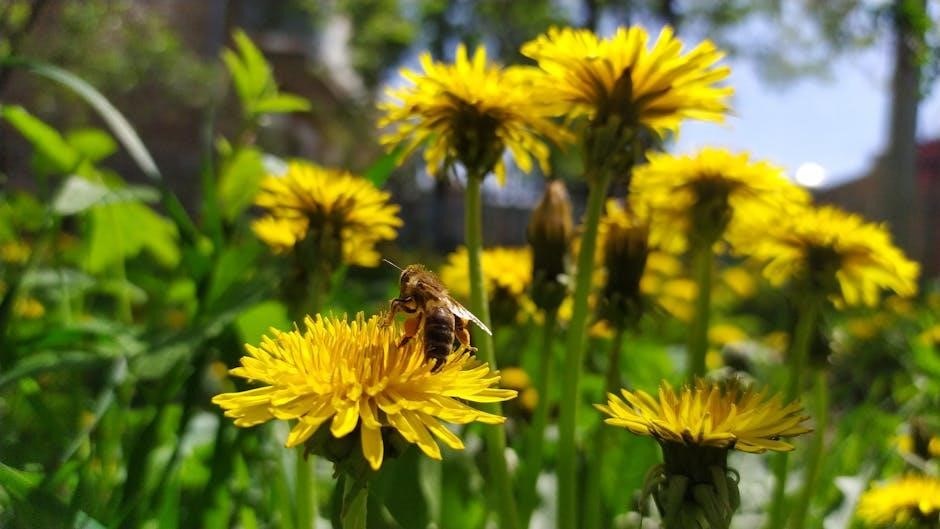
Harvesting and Enjoying Buzzy Seeds
Buzzy seed blooms attract bees and butterflies, enhancing your garden’s ecosystem․ Allow some flowers to fade, collecting seeds for future plantings, ensuring continued beauty․
When to Harvest
Determining the optimal time to harvest buzzy seeds is crucial for ensuring successful propagation in the following season․ Generally, harvesting should commence in late summer or early fall, after the majority of the flower heads have dried and begun to turn brown․ This indicates that the seeds within have matured sufficiently․
A simple test to confirm seed maturity involves gently squeezing a flower head; if the seeds readily fall out, they are likely ready for collection․ Avoid harvesting during damp or rainy weather, as moisture can promote mold growth and reduce seed viability․ Instead, opt for a dry, sunny day․
Cut the dried flower heads from the plants using sharp scissors or pruning shears, leaving a small portion of the stem attached․ Place the harvested flower heads in a paper bag or loosely spread them out on a screen or tray to further dry for a week or two before extracting the seeds․ Proper timing and careful handling will maximize your seed yield and ensure a bountiful bloom next year․
Using the Blooms: Attracting Pollinators
Buzzy seeds are renowned for their exceptional ability to attract a diverse range of pollinators to your garden․ The vibrant colors and abundant nectar of these blooms serve as a magnet for bees, butterflies, and other beneficial insects, contributing significantly to a healthy and thriving ecosystem․
To maximize pollinator attraction, plant buzzy seeds in clusters or drifts, creating a visually appealing and easily accessible food source․ Avoid using pesticides or herbicides, as these can harm or kill pollinators․ Consider incorporating a water source, such as a shallow dish of water with pebbles, to provide pollinators with a place to drink․
Leaving some blooms unharvested allows pollinators to continue feeding throughout the season, extending their foraging opportunities․ By cultivating buzzy seeds, you’re not only enhancing the beauty of your garden but also actively supporting vital pollinator populations, ensuring the continued health and productivity of your plants and the surrounding environment․
Saving Seeds for Future Plantings
Buzzy seeds are relatively easy to save, allowing you to enjoy these vibrant blooms year after year without repeated purchases․ Allow some flowers to fully mature on the plant, beyond the typical harvesting stage․ You’ll notice the flower heads drying and developing seed pods․
Once the seed pods are completely dry and brittle, gently harvest them․ Carefully open the pods and collect the seeds, removing any chaff or debris․ Ensure the seeds are thoroughly dried before storing them in an airtight container, such as a glass jar or envelope․
Store the container in a cool, dark, and dry place․ Properly stored buzzy seeds can remain viable for several years․ Label the container with the seed variety and date of collection for easy identification․ Saving seeds is a rewarding practice that promotes self-sufficiency and preserves the unique characteristics of your favorite buzzy seed varieties․
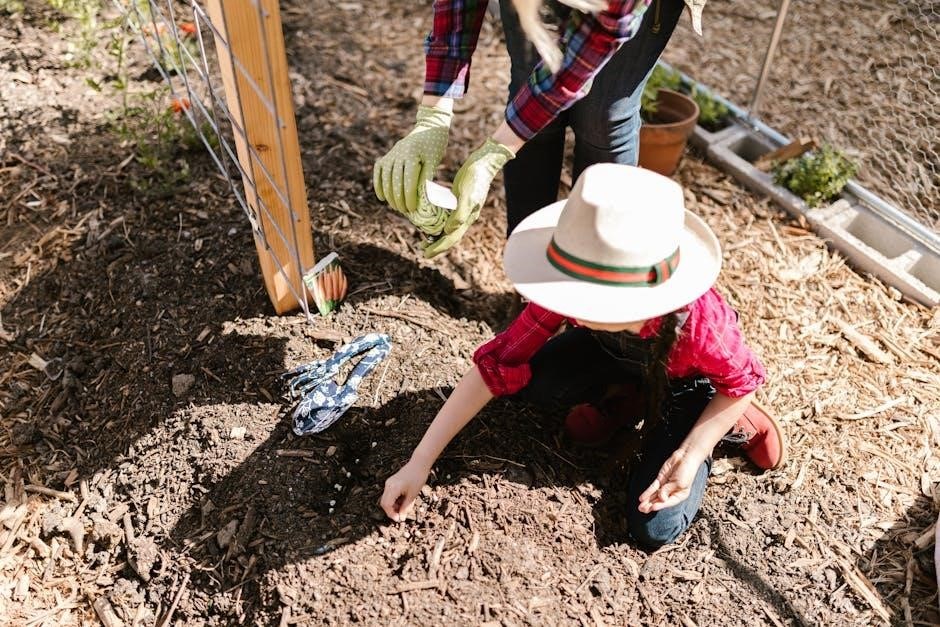
Buzzy Seeds Varieties and Their Characteristics
Buzzy seed mixes boast diverse colors and bloom times, offering options for continuous floral displays․ Varieties differ in growth habits, from compact to trailing forms․
Specific Buzzy Seed Mixes Available
Buzzy seed mixes are thoughtfully curated to provide a vibrant and diverse range of blooms, specifically designed to attract beneficial pollinators like bees and butterflies․ Several distinct mixes cater to different garden styles and preferences․ The ‘Classic’ mix is a popular choice, featuring a blend of traditional favorites known for their reliable performance and long-lasting color․
For those seeking a more whimsical aesthetic, the ‘Pastel’ mix offers a soft and delicate palette of pinks, lavenders, and creams․ Gardeners interested in a bolder display can opt for the ‘Bright’ mix, which showcases intense shades of red, orange, and yellow․ A ‘Wildflower’ mix provides a naturalistic look, incorporating species commonly found in meadows and fields․
Furthermore, specialized mixes like the ‘Butterfly’ blend are formulated with flowers particularly attractive to these winged insects, while the ‘Bee’ mix prioritizes blooms favored by bees․ Each mix contains a carefully selected combination of annuals, ensuring a continuous succession of flowers throughout the growing season․
Color Variations and Bloom Times
Buzzy seed mixes boast an impressive spectrum of color variations, ranging from delicate pastels to vibrant, bold hues․ Expect to find shades of crimson, rose, lavender, violet, apricot, gold, and pure white within the different blends․ The specific color composition varies depending on the chosen mix – ‘Pastel’ mixes emphasize softer tones, while ‘Bright’ mixes deliver a punch of intense color․
Bloom times are equally diverse, ensuring a prolonged display throughout the growing season․ Many buzzy seed varieties begin flowering within 6-8 weeks of sowing, with continuous blooms lasting from late spring through the first frost․ Deadheading spent flowers encourages further flowering and extends the overall bloom period․
Successive sowings, spaced a few weeks apart, can provide an even more continuous display of color․ Different species within the mix may have slightly varying bloom times, creating a dynamic and evolving garden landscape․ Careful selection of mixes can ensure color throughout the entire summer and into autumn․
Growth Habits of Different Varieties
Buzzy seed mixes typically contain a blend of annuals with diverse growth habits, contributing to a visually appealing and textured garden display․ Many varieties exhibit a bushy, compact growth form, reaching heights of 12-18 inches, making them ideal for borders, containers, and mass plantings․ Others may display a more trailing or spreading habit, perfect for hanging baskets or cascading over walls․
Some buzzy seed species are known for their upright growth, adding vertical interest to the garden․ The overall plant density and branching patterns vary depending on the specific mix and growing conditions․ Providing adequate spacing during sowing is crucial to allow for optimal air circulation and prevent overcrowding․
Regular pruning or pinching back can encourage bushier growth and more abundant blooms․ Understanding the individual growth habits within the mix allows gardeners to strategically position plants for maximum impact and create a harmonious garden design․