
This comprehensive guide details essential techniques for electricians, covering everything from basic trigonometry to advanced segment bending, ensuring precise and safe installations․
Conduit bending is a fundamental skill for all electricians, enabling secure and code-compliant electrical system installations․ Mastering this craft requires understanding conduit types, applying basic trigonometry, and utilizing specialized tools․ Accurate bending minimizes fittings, saving time and material costs while enhancing system reliability․
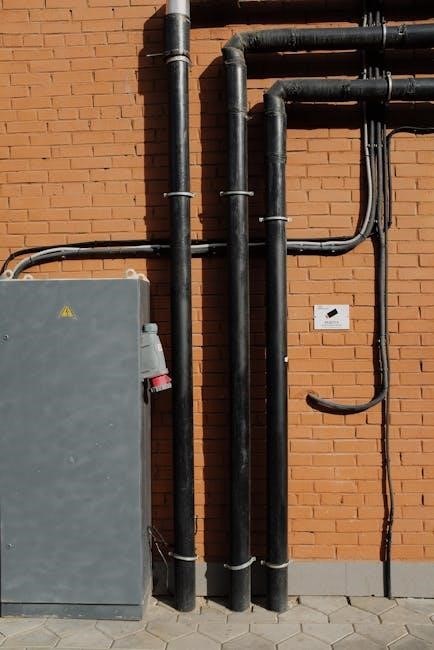
This guide provides a detailed exploration of these techniques, from simple 90-degree bends to complex saddle bends and segment bending․ We’ll cover essential safety precautions and troubleshooting common errors, ensuring you develop proficiency in this critical area of electrical work․
Understanding Conduit Types
Different applications demand specific conduit materials, each with unique bending characteristics․ Electrical Metallic Conduit (EMT), lightweight and easy to bend, is common for indoor installations․ Intermediate Metal Conduit (IMC) offers greater strength and is suitable for outdoor or industrial environments․
Rigid Nonmetallic Conduit (RNC) provides excellent corrosion resistance but requires specialized bending techniques due to its rigidity․ Understanding these differences is crucial for selecting the appropriate conduit and applying the correct bending methods, ensuring a safe and durable electrical system․
Electrical Metallic Conduit (EMT)
EMT is a lightweight, thin-walled steel conduit, favored for its ease of bending and installation in dry, indoor locations․ Its relatively low cost and simple connections make it a popular choice for exposed work․ Bending EMT requires less force compared to IMC or rigid conduit, making it ideal for learning conduit bending techniques․
However, EMT offers less physical protection than heavier conduits and isn’t suitable for harsh environments․ Proper bending ensures smooth turns and minimizes stress on the conduit, maintaining its structural integrity and preventing damage to internal wiring;

Intermediate Metal Conduit (IMC)
IMC provides a balance between the strength of rigid conduit and the ease of bending of EMT․ It features a thicker wall than EMT, offering increased protection against physical damage and making it suitable for both indoor and outdoor applications․ Bending IMC requires more force and often necessitates the use of hydraulic benders, especially for larger sizes or tight bends․
IMC’s threaded ends allow for secure connections, and its robust construction makes it a reliable choice for industrial and commercial installations where durability is paramount․ Careful bending practices are crucial to avoid kinking or flattening the conduit․
Rigid Nonmetallic Conduit (RNC)
RNC, typically made of PVC, offers excellent corrosion resistance and is ideal for corrosive environments, like chemical plants or underground applications․ While it doesn’t require grounding like metal conduits, RNC presents unique bending challenges․ It’s less flexible than metal options and requires specialized heating methods for bending, often using hot boxes or heat blankets to make it pliable․

Avoid sharp bends, as RNC can become brittle when cold․ Proper support is vital to prevent sagging or deformation․ RNC is a cost-effective solution where mechanical strength isn’t the primary concern․
Basic Trigonometry for Conduit Bending
Understanding trigonometry is fundamental to accurate conduit bending․ Electricians frequently use sine, cosine, and tangent (SOH CAH TOA) to calculate bend allowances, gain, and multipliers․ These calculations determine where to make bends to achieve desired angles and offsets․ The coseca, or reciprocal of the secant, is particularly useful for determining bend angles beyond 90 degrees․
Mastering these concepts allows for precise layout and minimizes wasted material․ Accurate trigonometric calculations are crucial for complex bends and segment installations, ensuring a professional finish․
Essential Bending Tools
A variety of tools are necessary for proficient conduit bending․ Mechanical style benders are common for smaller conduit sizes, offering portability and ease of use․ Hydraulic benders are preferred for larger diameters, providing increased leverage and bending power․ Tube cutters ensure clean, precise cuts, while burr removal tools are vital for safe wire pulling․
Additionally, measuring tapes, levels, and protractors aid in accurate layout․ Proper tool maintenance is crucial for consistent results and longevity, ensuring safe and efficient operation․
Mechanical Style Benders
Mechanical benders are widely used for their affordability and portability, particularly with EMT and smaller IMC conduit․ These tools utilize leverage to create bends, requiring physical strength and proper technique․ They typically feature a hook, shoe, and handle, allowing for 90-degree bends and offsets․
Understanding the bender’s markings and applying correct bending pressure are essential for accurate results․ Regular inspection for wear and tear ensures safe operation․ They are ideal for field work and smaller projects, offering a versatile bending solution․
Hydraulic Benders
Hydraulic benders offer significant advantages when working with larger conduit sizes, like IMC and rigid conduit, minimizing physical strain․ These tools utilize hydraulic pressure to achieve precise bends, requiring less effort from the electrician․ They are available in various capacities and configurations, including portable and stationary models․
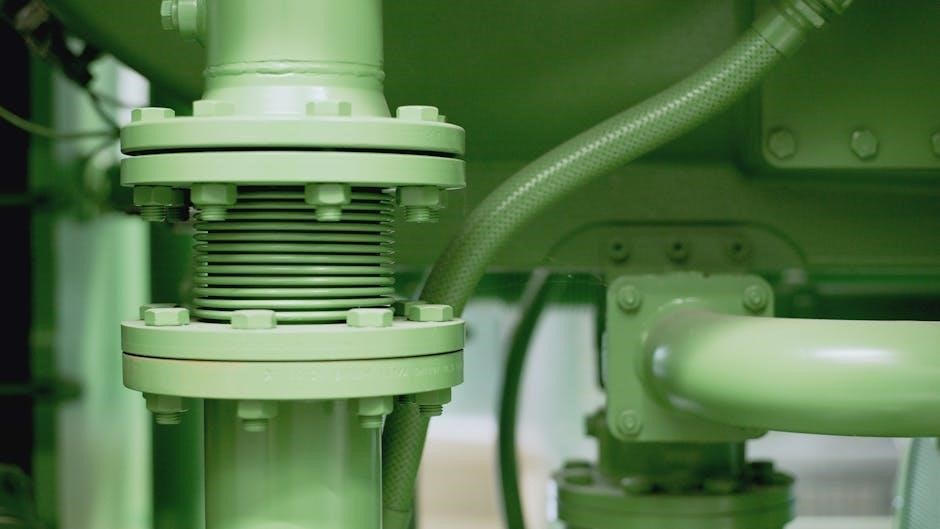
Proper training is crucial for safe and effective operation, as hydraulic systems can be powerful․ They deliver consistent bending force, reducing the risk of kinking or deformation․ Hydraulic benders are a valuable investment for professionals handling substantial conduit installations․
Tube Cutters & Burr Removal Tools

Precise conduit cutting is paramount for accurate bending and safe installations․ Tube cutters provide clean, square cuts, unlike hacksaws which can leave rough edges․ Following each cut, thorough burr removal is essential to prevent damage to wire insulation during pulling․ A burr removal tool ensures a smooth interior conduit surface․
Using a tube cutter and burr removal tool minimizes the risk of electrical shorts and ensures compliance with electrical codes․ Proper preparation of conduit ends is a critical step often overlooked, impacting the overall quality and safety of the electrical system․
Ninety Degree Bends
Achieving accurate 90-degree bends is a foundational skill in conduit work․ These bends are frequently used to change direction in electrical runs, requiring precise measurements and bending techniques․ Electricians must understand the ‘take-up’ – the amount of conduit consumed during the bend – to ensure correct overall length․
Properly executed 90-degree bends minimize material waste and maintain the structural integrity of the installation․ Consistent practice and attention to detail are key to mastering this essential technique, forming the basis for more complex bends․
Back-To-Back 90 Degree Bends
Back-to-back 90-degree bends present a unique challenge, requiring careful calculation to avoid collisions and maintain proper conduit alignment․ These bends, occurring in quick succession, demand a greater understanding of conduit fill and bending radius․ Electricians must account for the combined take-up of both bends․
Successful execution involves precise measurements and strategic bending to ensure a smooth, uninterrupted path for wiring․ Mastering this technique is crucial for navigating tight spaces and complex installations, demonstrating a higher level of bending proficiency․

Kicks and Offsets
Kicks and offsets are fundamental bending techniques used to navigate obstructions and achieve precise conduit positioning․ A “kick” creates a small angular deviation, while an offset provides a parallel displacement․ Accurate pre-determination of offset locations is paramount for a clean installation․
Parallel offsets, in particular, require careful calculation to maintain consistent spacing․ These maneuvers demand a solid grasp of trigonometry and bending multipliers․ Proper execution ensures the conduit avoids obstacles and aligns perfectly with connection points, showcasing skilled craftsmanship․
Pre-determining Offset Locations
Accurately locating offset bends is crucial for successful conduit runs․ This involves careful measurement and calculation to ensure the offset aligns precisely with the desired point․ Electricians must consider the conduit’s size, the required offset distance, and the angle of deviation․
Utilizing trigonometric functions and bending multipliers allows for precise determination of bend points․ Incorrect placement leads to wasted material and installation errors․ Thorough planning and marking before bending minimizes adjustments and guarantees a professional, code-compliant result․
Parallel Offsets
Creating parallel offsets demands precision to maintain consistent spacing between conduit runs; This technique is frequently used when routing conduit alongside structural elements or other services․ Achieving parallelism requires careful calculation of bend allowances and accurate transfer of measurements along the conduit length․
Electricians often employ a “rise over run” method, combined with appropriate multipliers, to establish the correct bend points․ Consistent application of these principles ensures the offsets remain equidistant, resulting in a neat and professional installation․ Verification with a measuring tool is always recommended․
Saddle Bends
Saddle bends are crucial for clearing obstructions along a conduit’s path, allowing it to rise and fall over an object without losing its directional course․ These bends require careful planning and execution to ensure a smooth transition and maintain proper support․ Two primary methods exist: four-bend and three-bend saddles․
The choice depends on the obstruction’s size and the desired conduit height․ Accurate measurements and calculations are vital for determining the correct bend angles and distances․ Proper saddle bends minimize stress on the conduit and ensure a secure, code-compliant installation․
Four Bend Saddles
Four-bend saddles offer greater control and precision when navigating obstacles, utilizing four distinct bends to create a smooth, arched pathway for the conduit․ This method is particularly effective for larger obstructions or when a more gradual rise and fall are required․ The process involves calculating specific offsets and angles for each bend;
Careful attention to detail is essential to ensure the saddle’s symmetry and proper alignment․ Accurate measurements and consistent bending techniques are key to achieving a professional-looking and structurally sound installation, maintaining conduit integrity․
Three Bend Saddles
Three-bend saddles represent a streamlined approach to obstacle negotiation, employing three calculated bends to form an arched conduit run․ This technique is favored for its relative simplicity and efficiency, making it suitable for many common field applications․ Achieving a symmetrical saddle requires precise measurements and consistent application of bending principles․
The initial bend establishes the offset, followed by two mirroring bends that define the saddle’s curvature․ Proper execution ensures a smooth transition over the obstruction, maintaining conduit protection and code compliance․
Bending Around a Corner
Navigating corners with conduit demands a strategic approach, often utilizing a combination of bends to achieve a clean and code-compliant result; Direct, single-bend solutions are rarely feasible, necessitating a series of offsets or saddle bends to redirect the conduit’s path․ Careful consideration of the corner’s angle and available space is paramount․
Technicians frequently employ a two-bend method, calculating precise offsets to smoothly transition around the corner․ Accurate measurements and consistent bending techniques are crucial for a professional finish․
Segment Bending Techniques
Segment bending excels when navigating complex pathways, requiring multiple bends to follow a non-linear course․ This method breaks down the run into manageable sections, each bent individually to a specific angle and direction․ Precise layout is critical; accurately marking the conduit ensures a smooth, flowing installation․
Concentric bending, a subset of segment bending, maintains a consistent radius throughout the run․ Careful planning and consistent application of bending principles are essential for success, avoiding costly errors and rework․
Layout for Segment Bending
Accurate layout is paramount for successful segment bending․ Begin by carefully transferring the planned route onto the conduit itself, using a story pole or measuring tape․ Mark each bend point precisely, noting the angle and direction required․ Consider any obstructions and adjust the layout accordingly to ensure a clean, efficient run․
Detailed drawings and calculations are invaluable during this stage․ Double-check all measurements before making any bends, as errors can compound throughout the process․ A well-planned layout minimizes waste and ensures a professional finish․

Concentric Bending
Concentric bending creates a series of equal-radius curves, ideal for navigating complex layouts․ This technique demands precision; maintaining a consistent radius throughout each bend is crucial․ Utilize a bending guide or template to assist in achieving uniformity, especially when dealing with larger conduit sizes․
Carefully calculate the take-up for each bend, accounting for the conduit’s diameter and the desired radius․ Smooth, flowing bends are the goal, avoiding any kinks or flat spots that could compromise the installation’s integrity and appearance․
Radius Considerations
Maintaining proper bending radius is paramount for successful conduit installations․ Too tight a radius can damage the conduit and create stress points, while too large a radius may not fit the application․ Understanding how to calculate and adjust for varying radii is essential․
Factors like conduit type and size influence the minimum allowable radius․ When bending larger than normal radius bends, careful planning and potentially custom tools may be required to achieve the desired results without compromising the conduit’s structural integrity or code compliance․
Finding the Unknown Radius
Determining an unknown radius during conduit bending often requires applying trigonometric principles and careful measurement․ Electricians frequently encounter situations where a specific arc length and chord distance are known, but the radius remains undefined․ Utilizing formulas derived from geometry, specifically those relating to circles and arcs, allows for accurate radius calculation․
Practical application involves measuring the span and rise of the bend, then employing appropriate multipliers or trigonometric functions to solve for the radius․ Precision is key to ensure a smooth, code-compliant bend․
Bending Larger than Normal Radius Bends
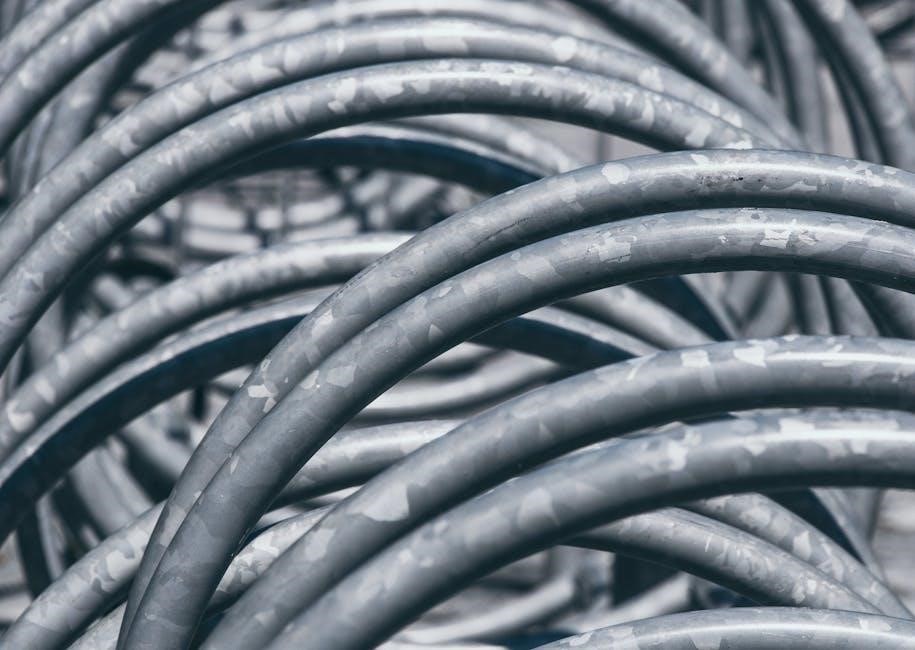
Achieving bends with radii exceeding standard dimensions demands a modified approach to conduit bending․ Traditional bending techniques may prove insufficient, necessitating adjustments to leverage the conduit’s ductility and prevent kinking or deformation․ Employing larger radius bending tools, or utilizing a series of smaller, incremental bends, can facilitate these complex maneuvers․
Careful consideration of the conduit material and wall thickness is crucial, alongside a thorough understanding of the required bend geometry to maintain structural integrity and code compliance․
Common Angles and Multipliers (Coseca)
Mastering common angles and their corresponding multipliers, often referred to as “coseca” values, streamlines conduit bending calculations․ These multipliers represent the distance to initiate a bend for specific angles, eliminating the need for complex trigonometric computations in frequently encountered scenarios․
Electricians commonly utilize tables or apps providing these values for angles like 30, 45, and 60 degrees, significantly accelerating the layout process and ensuring accurate bends․ Understanding these shortcuts is vital for efficient and precise work․
Troubleshooting Common Bending Errors
Even experienced electricians encounter bending errors; identifying and correcting them is crucial․ Common issues include short bends, over-bending, and inaccurate offsets․ Short bends often result from insufficient take-up, while over-bending stems from excessive force or incorrect multiplier usage․
Inaccurate offsets frequently arise from miscalculations or improper measurement․ Carefully re-evaluate measurements, double-check multiplier selection, and practice controlled bending techniques to minimize these errors․ Consistent practice and attention to detail are key to achieving accurate results․
Safety Precautions When Bending Conduit
Prioritizing safety is paramount when bending conduit․ Always wear appropriate personal protective equipment (PPE), including safety glasses, gloves, and sturdy work boots․ Ensure the work area is clear of obstructions and well-lit․
Be mindful of pinch points during bending operations, and never exceed the bender’s capacity․ Properly secure the conduit during bending to prevent slippage or unexpected movement․ Inspect tools regularly for damage and maintain them in good working condition․ Following these precautions minimizes the risk of injury․